
Same day delivery around Nairobi, 24hrs delivery outside Nairobi.
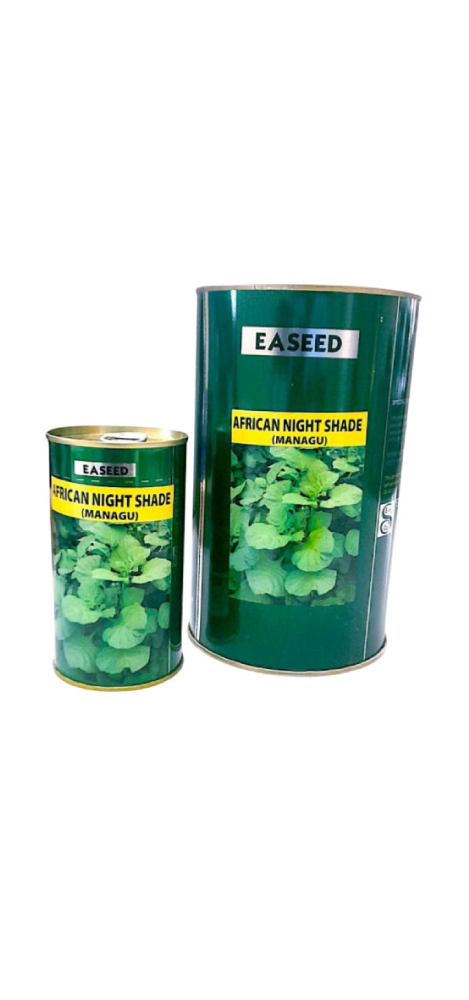
Managu
KSh 250.00
25 g

Managu, also known as African Nightshade, is very popular green vegetable known for its nutritional value, containing vitamins A, C, iron, and calcium. Managu is cultivated across Kenya and is a staple in many Kenyan diets. It’s enjoyed as a cooked vegetable, often mixed with other greens or enjoyed on its own.
1. Land Preparation and Planting:
-
- Soil: Managu thrives in fertile, well-drained soil rich in organic matter.
- Manure: Applying manure (cattle, chicken, or compost) is crucial for good yields, with recommended rates of 2-5 kg/m2.
- Soil: Managu thrives in fertile, well-drained soil rich in organic matter.
- Fertilizer: DAP (Di-Ammonium Phosphate) fertilizer is often used to boost root development.
- Seedbed: Prepare seedbeds with rows spaced 30-40 cm apart.
- Planting: Seeds can be sown directly or seedlings can be transplanted after 4 weeks.
- Spacing: Transplant seedlings with a spacing of 20 cm within rows and 40 cm between rows.
2. Nursery Management:
- Watering: Adequate watering is essential, especially in the nursery.
- Mulching: Mulch helps retain moisture in the nursery.
- Shading: Erect a light shade for a week after germination to help seedlings adapt.
3. Pest and Disease Management:
- Pests: Common pests include whiteflies, aphids, and spider mites.
- Diseases: Leaf spot and anthracnose can affect managu.
- Control: Use appropriate pesticides and fungicides to manage pests and diseases.
Available sizes 10gms,25gms,50gms,100gms,250gms,500gms,1kg
Related products
-
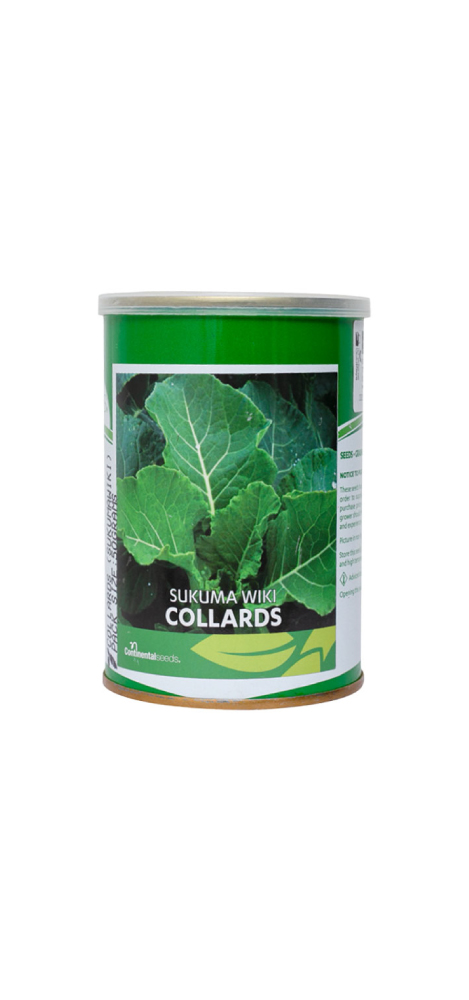
Collards (Sukuma-Wiki)
KSh 250.00
-

Broccoli
KSh 350.00
-
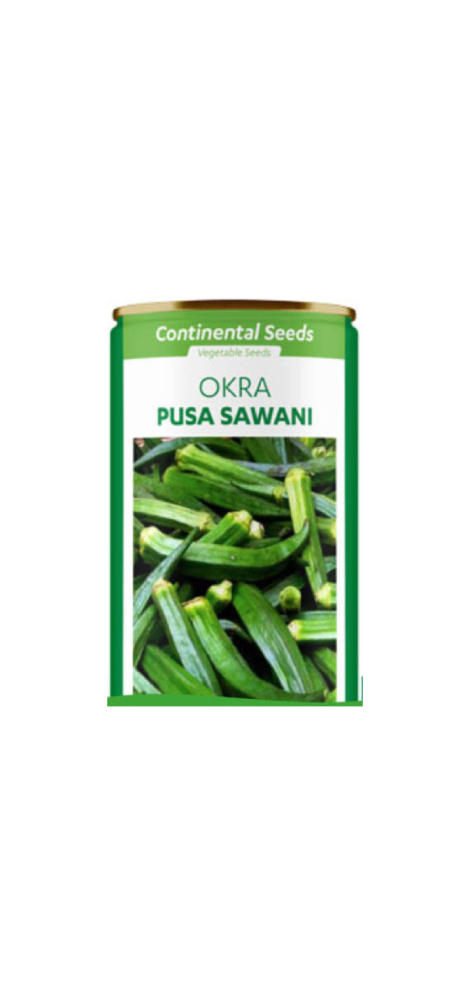
Okra
KSh 250.00
-
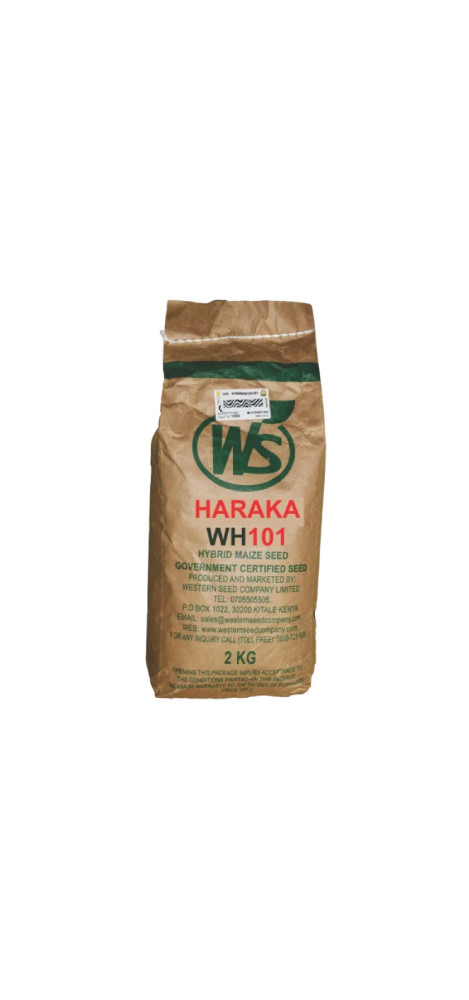
Maize Haraka
KSh 800.00
-
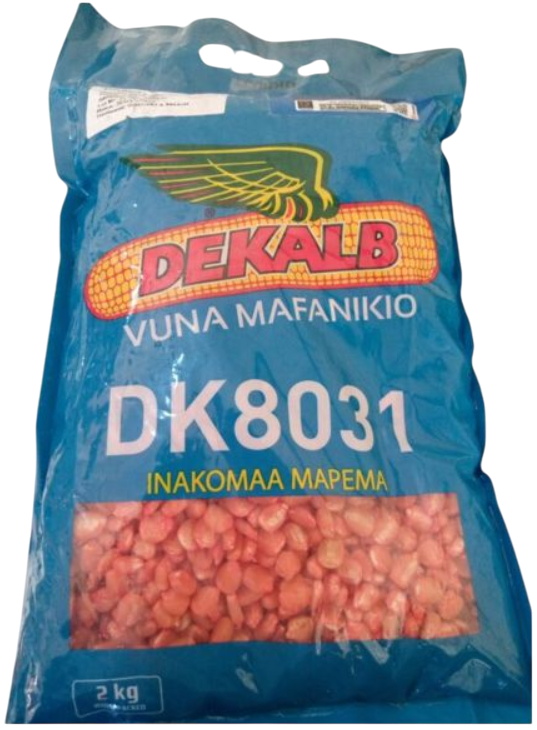
Maize DK 8031
KSh 2,000.00
-
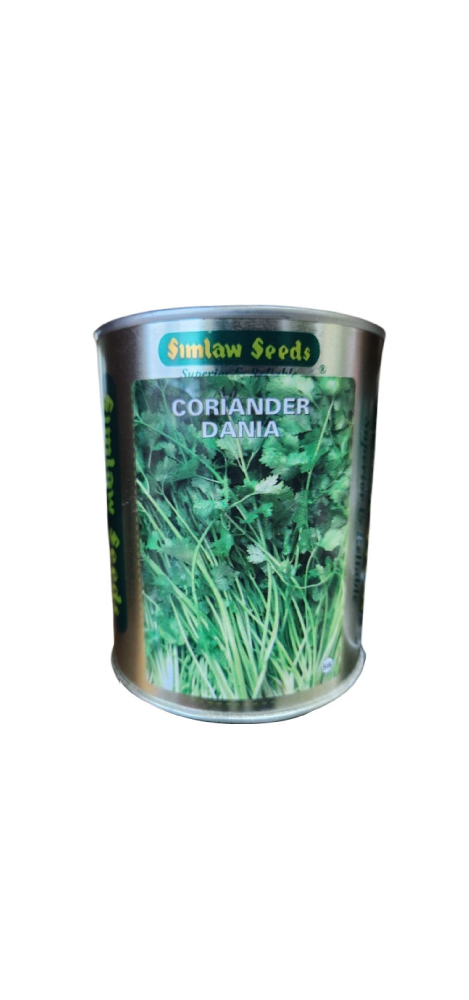
Dhania
KSh 4,800.00
-
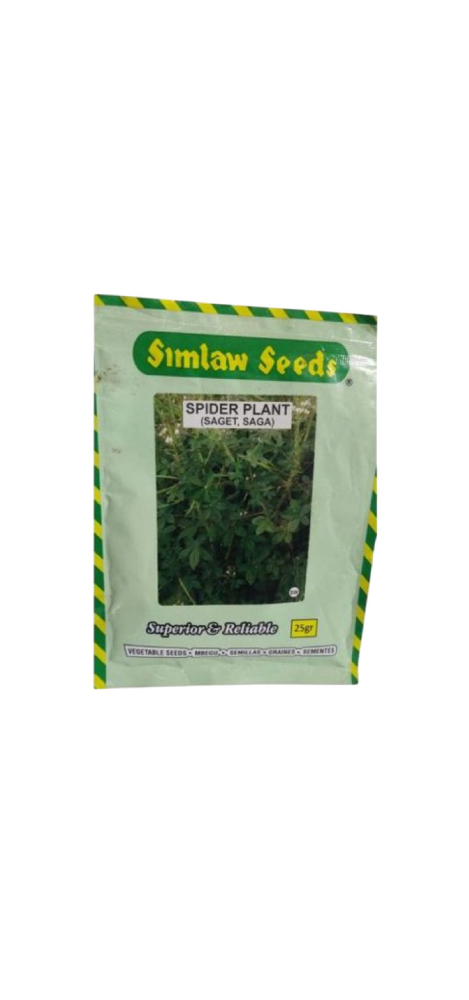
Saga
KSh 250.00
-
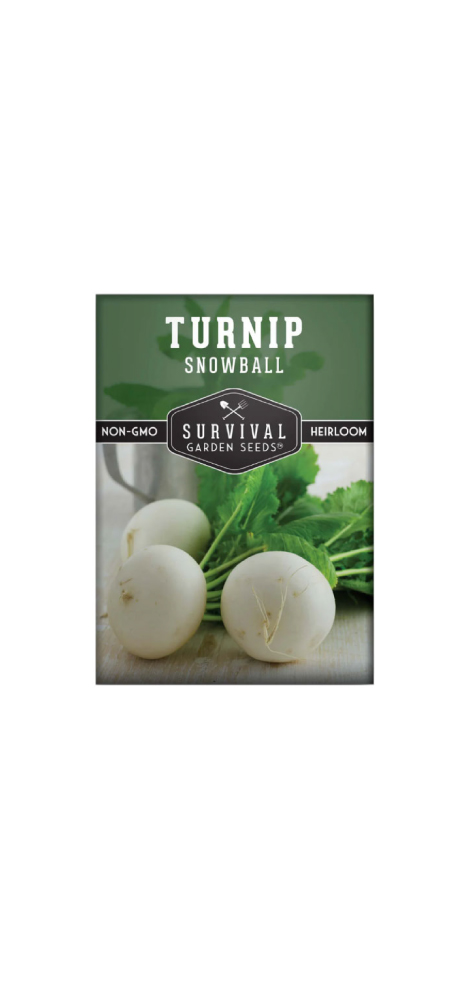
Snowball
KSh 250.00
-

Terere Amaranthus Duchous
KSh 250.00
-
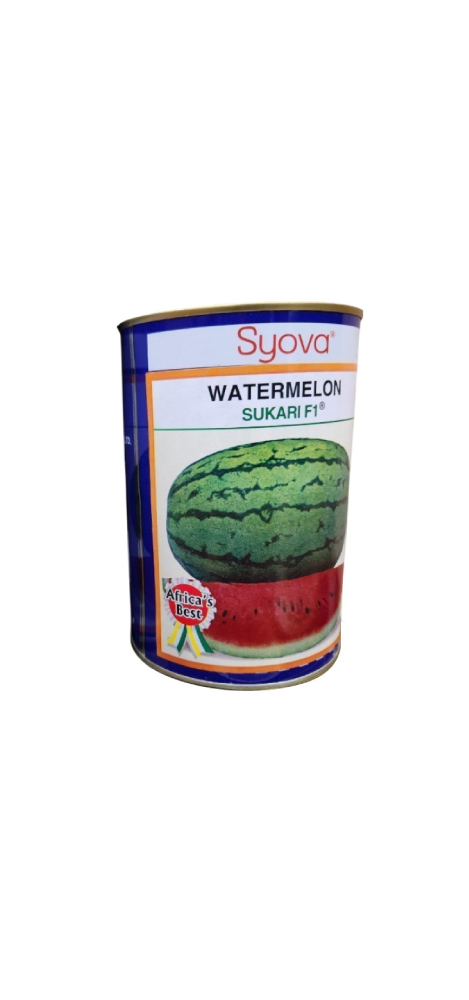
Sukari F1
KSh 10,000.00
-
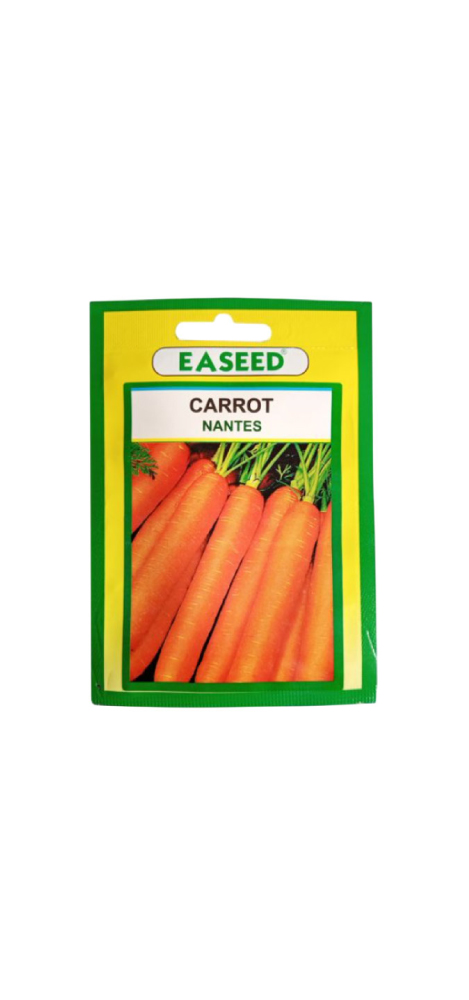
Carrot Nantes
KSh 450.00
-
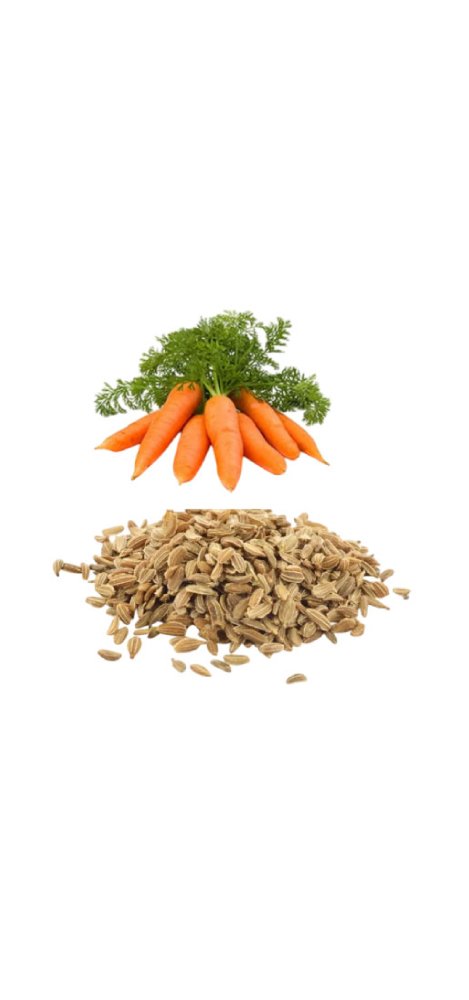
Carrots
KSh 150.00
Reviews
There are no reviews yet.