
Same day delivery around Nairobi, 24hrs delivery outside Nairobi.

Broccoli
KSh 350.00
25 g

Broccoli is a green, edible plant in the cabbage family, known for its edible flower head, stalk, and small leaves. It’s a cruciferous vegetable, related to cabbage, kale, and cauliflower, and is a good source of nutrients like fiber, vitamins C and K, iron, and potassium. Broccoli is native to the eastern Mediterranean region and has been cultivated for its nutritional value and health benefits.
To grow broccoli in Kenya, choose a sunny location, prepare well-drained soil with a pH between 6.0 and 6.5, and plant either by direct seeding or transplanting. Consistently moisten the soil with regular watering, especially during dry conditions, and protect the plants from common pests and diseases.
Detailed Steps:
-
1. Soil Preparation:
- Choose a location with at least 6 hours of direct sunlight daily.
- Ensure the soil is well-drained, as broccoli is susceptible to root rot in waterlogged conditions.
- Amend the soil with compost or well-decomposed manure to improve fertility and water-holding capacity.
- Test the soil pH and adjust it if necessary to be between 6.0 and 6.5.
- Choose a location with at least 6 hours of direct sunlight daily.
-
2. Planting:
- Transplanting: Start broccoli seeds indoors or in a seedbed about 4-6 weeks before transplanting.
- Direct Seeding: Sow seeds directly into the prepared soil, ensuring proper spacing (e.g., 12-14 inches between rows and 5-6 inches between plants).
- Planting Depth: Plant seeds about 1/2 inch deep and cover them lightly with soil.
- Transplanting: Start broccoli seeds indoors or in a seedbed about 4-6 weeks before transplanting.
-
3. Watering:
- Maintain consistently moist soil, but avoid overwatering, especially after the main head develops.
- Water deeply and less frequently, allowing the top inch of soil to dry out between waterings.
- Reduce watering frequency as the heads approach maturity and harvest.
- Maintain consistently moist soil, but avoid overwatering, especially after the main head develops.
-
4. Pest and Disease Control:
- Common pests include cabbage looper, diamondback moth, and cutworms.
- Common diseases include black rot, blackleg ring spot, and downy mildew.
- Implement integrated pest management strategies, such as crop rotation, companion planting, and using natural pesticides when necessary.
- Common pests include cabbage looper, diamondback moth, and cutworms.
-
5. Harvesting:
- Harvest broccoli when the main head is 3-6 inches in diameter, and the flower buds are still tightly closed.
- Cut the main stem about 6 inches below the top of the head.
- Broccoli is ready for harvest 50-90 days after transplanting, depending on the variety.
Available sizes 10gms,25gms,50gms,100gms,250gm,500gms,1kg
- Harvest broccoli when the main head is 3-6 inches in diameter, and the flower buds are still tightly closed.
Related products
-
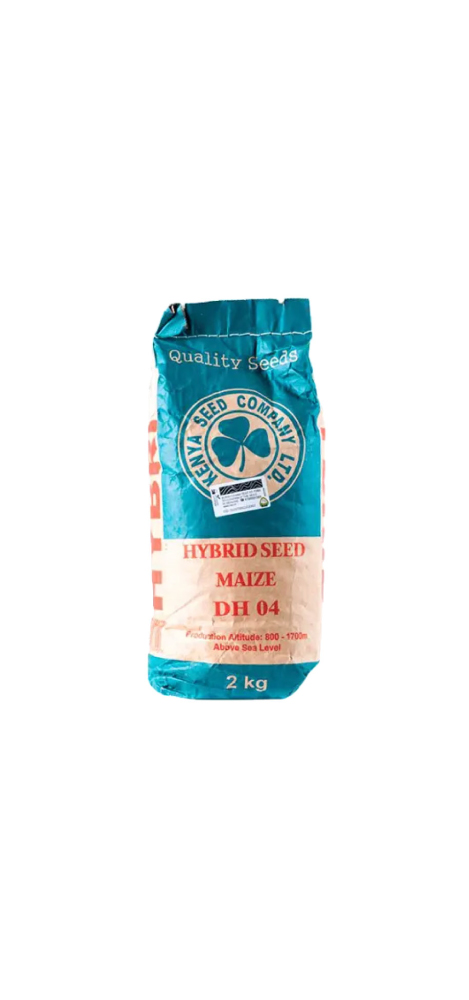
Maize DH 04
KSh 750.00
-
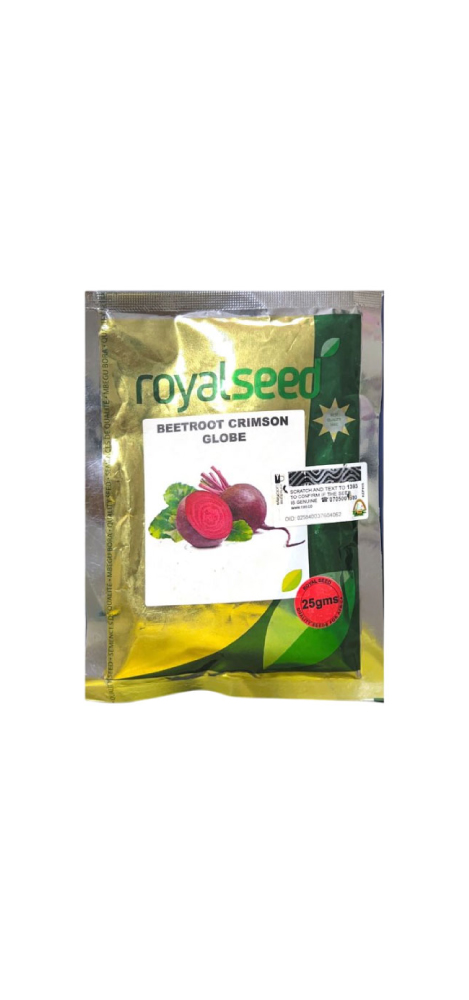
Beetroot
KSh 350.00
-
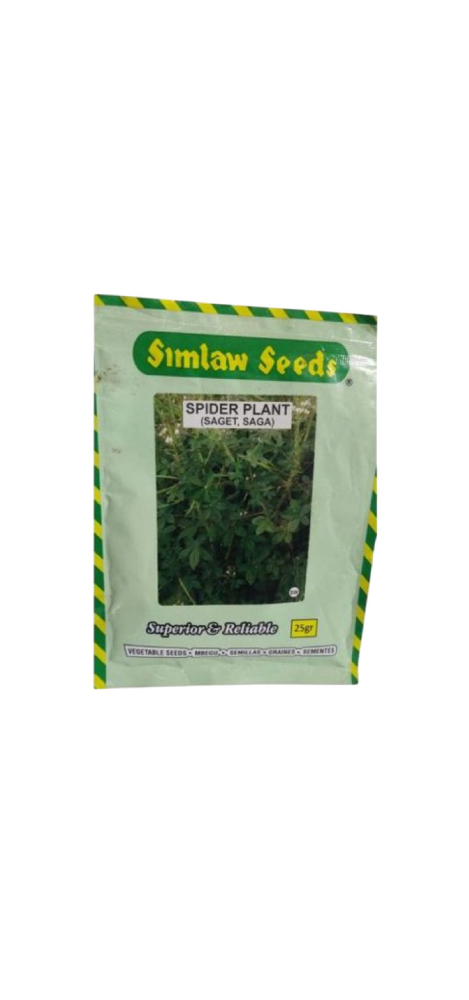
Saga
KSh 250.00
-
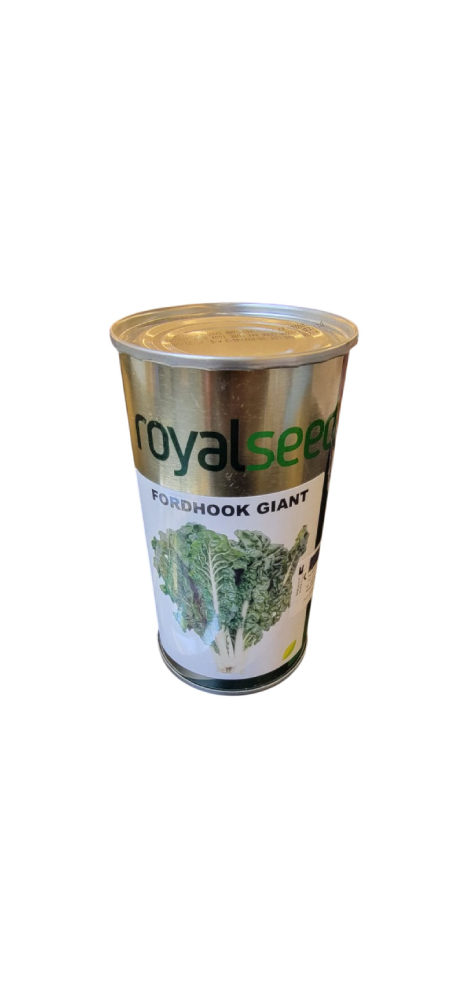
Spinach
KSh 450.00
-
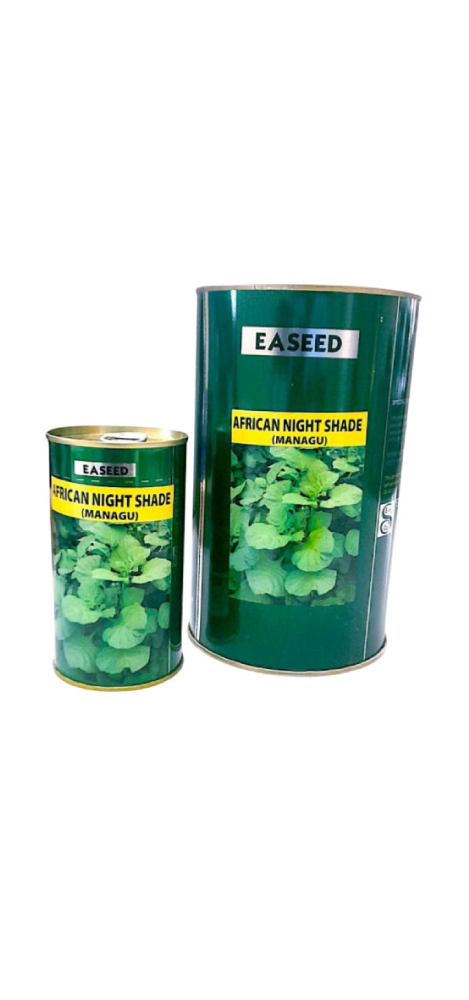
Managu
KSh 250.00
-
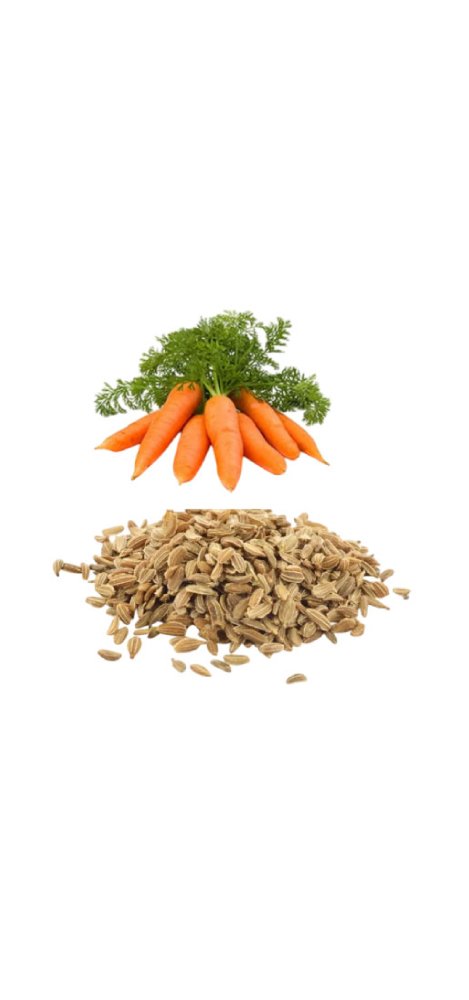
Carrots
KSh 150.00
-
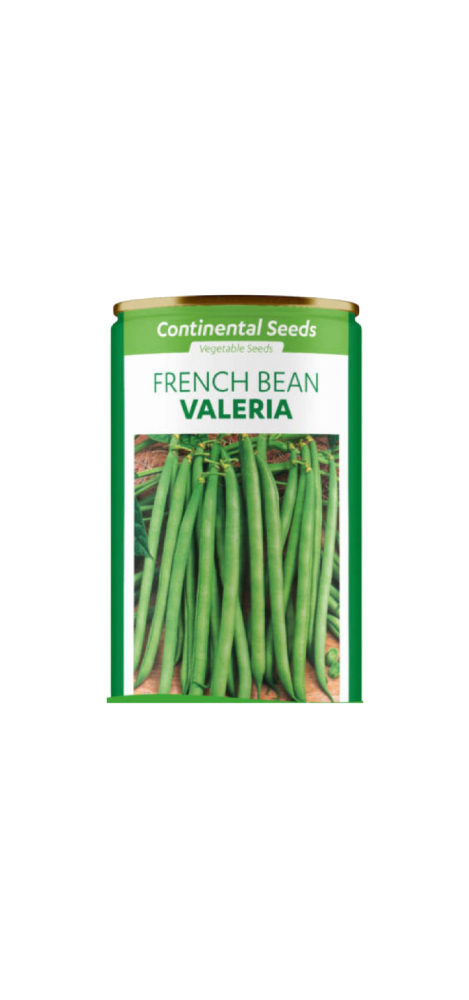
French Beans
KSh 350.00
-
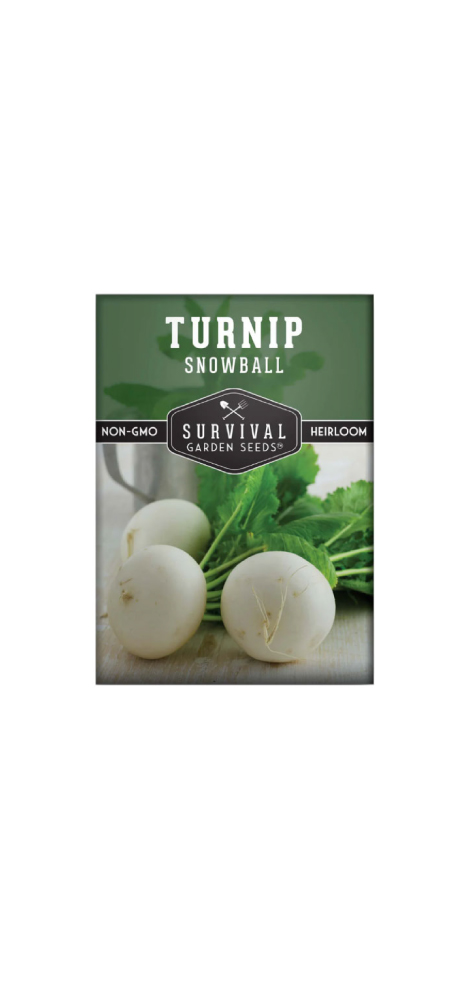
Snowball
KSh 250.00
-
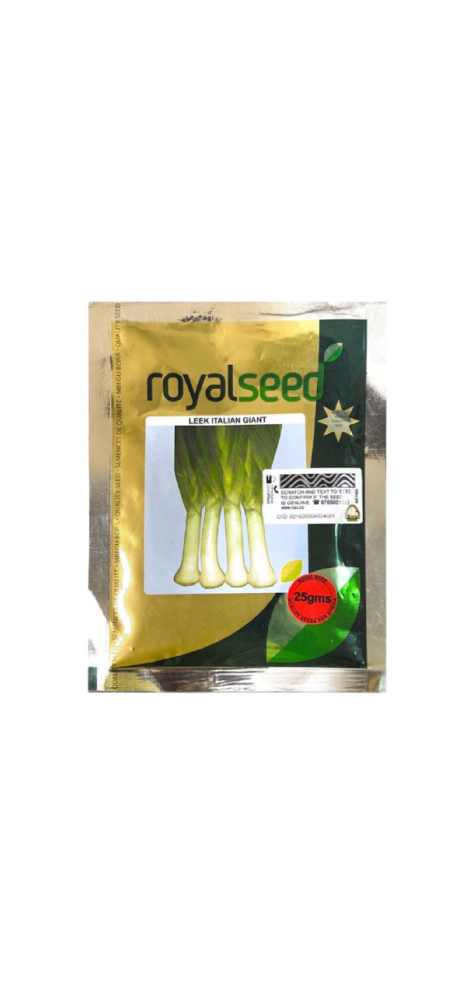
Leek Onion 1
KSh 250.00
-
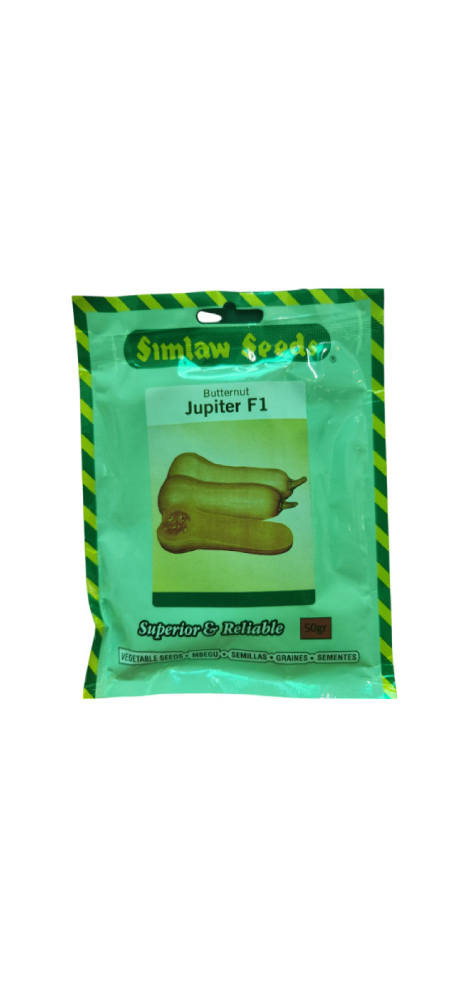
Butternuts
KSh 350.00
-
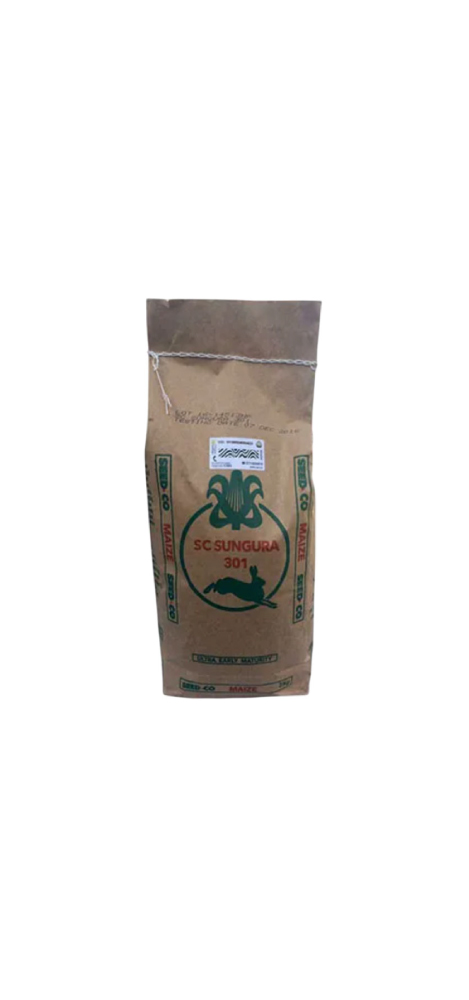
Maize Sungura
KSh 1,100.00
-
Bunching Onion
KSh 250.00
Reviews
There are no reviews yet.