Same day delivery around Nairobi, 24hrs delivery outside Nairobi.
Tuta Absoluta in Tomatoes, How to Identify, Prevent and Manage Tomato Leaf Miner
Tomatoes can look healthy from a distance while serious damage is already happening inside the leaves.
One of the pests responsible is Tuta absoluta, commonly known as the tomato leaf miner. It is a destructive pest of tomatoes because its larvae feed within the plant, making it more difficult to control once an infestation becomes established.
Kenyan agricultural guidance recommends combining monitoring, field hygiene, pheromone traps and appropriate pest-control measures as part of an integrated pest management approach.
What Is Tuta Absoluta?
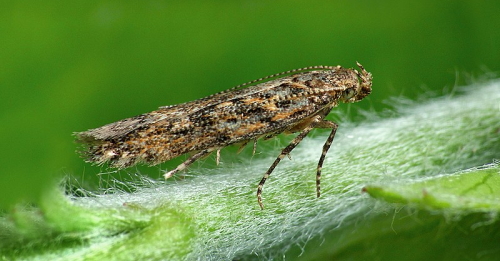
Tuta absoluta is a small moth whose larvae attack tomato plants.
The adult moth is small and may be difficult to notice in the field. The greater damage is caused by the larvae, which enter plant tissues and feed inside leaves and other plant parts.
Because the larvae can remain protected inside the plant tissue, simply spraying the outside of the plant may not always provide effective control.
Where Does Tuta Absoluta Attack?
Tuta absoluta is particularly associated with tomato production.
It can attack different parts of the tomato plant, including:
- Leaves
- Growing shoots
- Flowers
- Stems
- Fruits
Fruit damage is particularly concerning because larvae can bore into tomatoes, reducing market quality and potentially causing significant crop losses.
How Do You Know Your Tomatoes Have Tuta Absoluta?
Farmers should regularly scout their tomato crop instead of waiting until damage becomes severe.
Look for these signs:
1. Mines on the leaves
You may notice irregular, winding tunnels or transparent patches inside tomato leaves.
2. Dead or damaged leaves
Severely affected leaves may dry out or turn brown.
3. Larvae inside the leaf
If you carefully inspect damaged areas, you may find the pest inside the leaf tissue.
4. Holes or damage on tomato fruits
Larvae can enter fruits, causing holes and internal damage.
5. Frass
Small dark deposits around damaged areas can be another indication of larval activity.
Farmer’s tip:
Do not wait until the entire crop shows visible damage.
Regular scouting helps detect the pest before the population becomes difficult to manage.
Why Is Tuta Absoluta Difficult to Control?
One of the biggest problems with Tuta absoluta is where the larvae feed.
Once the larvae enter plant tissue, they are partially protected from external conditions and some control measures.
The pest can also multiply quickly when conditions are favorable.
Another problem is relying repeatedly on the same pesticide or mode of action. This can contribute to reduced effectiveness over time.
For this reason, management should be based on an integrated pest management (IPM) approach rather than depending on repeated applications of one product. KALRO specifically recommends combining monitoring, field hygiene, pheromone traps and appropriate control methods.
How Can Farmers Manage Tuta Absoluta?
1. Scout Your Crop Regularly
Walk through the field frequently and inspect:
- Young leaves
- Growing points
- Flowers
- Fruits
- Areas showing leaf mines
Early detection gives you more options for management.
2. Remove Heavily Infested Plant Material
Do not leave heavily infested leaves and fruits lying around the farm.
Proper field sanitation helps reduce sources of continued infestation.
3. Use Pheromone Traps
Pheromone traps can help farmers monitor adult Tuta absoluta populations and can also form part of pest-management programs.
The Pest Control Products Board (PCPB) currently lists Tuta-specific pheromone products registered for monitoring/control of the pest in tomatoes.
4. Use Appropriate Biological Control Options
Biological products can form part of an integrated approach.
For example, PCPB currently lists TUTAVIR SC, a biological product registered for control of Tuta absoluta on tomatoes.
The exact product and application method should always follow the current Kenyan label and registration requirements.
5. Use Appropriate Crop-Protection Products
Where chemical control is necessary, farmers should use a product that is specifically registered for the target pest and crop in Kenya.
PCPB’s current crop-product register includes several products registered for Tuta absoluta on tomatoes, including products containing active ingredients such as chlorantraniliprole, emamectin benzoate and other combinations.
Do not select a pesticide simply because it worked for another pest.
Always check:
- Target pest
- Crop
- Recommended rate
- Pre-harvest interval (PHI)
- Re-entry interval (REI)
- Personal protective equipment
- Label instructions
Common Mistakes Farmers Make When Controlling Tuta Absoluta
Waiting until the infestation is severe
Early detection is much easier to manage than a heavily established infestation.
Spraying without proper identification
Not every damaged tomato leaf is caused by Tuta absoluta.
Using the same pesticide repeatedly
Repeated use of the same mode of action can contribute to resistance problems.
Ignoring farm hygiene
Leaving infested plant material in or around the production area can contribute to continued pest pressure.
Ignoring traps and monitoring
Farmers sometimes only react after seeing serious crop damage. Monitoring can provide an earlier warning.
Mixing products without professional guidance
More chemicals do not necessarily mean better control. Unnecessary mixtures can increase costs and create safety and residue concerns.
What Should a Farmer Do When They Suspect Tuta Absoluta?
Follow this simple approach:
SCOUT → IDENTIFY → MONITOR → MANAGE → REVIEW
SCOUT
Inspect the crop regularly.
IDENTIFY
Confirm that the symptoms are consistent with Tuta absoluta.
MONITOR
Use appropriate monitoring methods such as pheromone traps.
MANAGE
Combine appropriate cultural, biological and chemical control methods.
REVIEW
Check whether the management approach is working and adjust appropriately.
Don’t Let Tuta Absoluta Take Over Your Tomato Farm
Tuta absoluta is easier to manage when farmers identify it early and use an integrated approach.
Regular scouting, good field hygiene, monitoring, appropriate biological options and properly selected crop-protection products can all form part of a sound management strategy.
Need help identifying a pest or choosing a crop-protection solution?
Visit Afriguard Agrovet and speak to our agricultural team for guidance on the appropriate solution for your crop.
Afriguard Agrovet — Supporting Better Farming, One Crop at a Time.