Same day delivery around Nairobi, 24hrs delivery outside Nairobi.
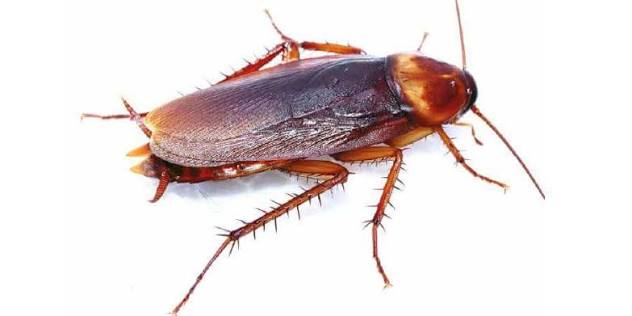
Cockroaches are more than a nuisance. In homes, restaurants, shops and other buildings, they can contaminate food and surfaces and can be difficult to eliminate if their hiding and breeding areas are not addressed.
For effective control in Nairobi, spraying the cockroaches you can see is only one part of the solution. A better approach combines sanitation, exclusion, monitoring, baiting and, where necessary, professional treatment.
1. Start by Finding Where They Are Coming From
Before treating the house, inspect areas where cockroaches commonly hide:
- Under kitchen sinks
- Behind refrigerators and cookers
- Inside kitchen cabinets
- Around drainage and plumbing
- Cracks in walls and floors
- Behind appliances
- Around rubbish-storage areas
- Dark, damp corners
Look for droppings, egg cases, dead cockroaches and live insects.
This helps determine whether you’re dealing with a small localized problem or an established infestation.
2. Remove Food Sources
Good sanitation is one of the foundations of cockroach control.
At home:
- Store food in sealed containers.
- Clean food spills immediately.
- Wipe kitchen surfaces regularly.
- Don’t leave dirty dishes overnight.
- Empty rubbish regularly.
- Clean underneath appliances.
- Keep pet food covered.
Even small food particles can provide a food source.
3. Eliminate Water and Moisture
Cockroaches are attracted to moisture, so check for:
- Leaking taps
- Leaking pipes
- Water under the sink
- Damp cupboards
- Standing water
- Wet cleaning cloths
- Poorly draining areas
Repair leaks and keep kitchen and bathroom areas as dry as practical.
4. Seal Entry Points
In Nairobi homes and apartments, cockroaches may move through gaps around plumbing, doors, walls and drainage areas.
Seal:
- Cracks in walls
- Gaps around pipes
- Spaces underneath doors
- Openings around cabinets
- Gaps around drainage/plumbing
This is particularly important in apartments where neighbouring units can contribute to recurring infestations.
5. Use Cockroach Baits Strategically
For established infestations, gel and other cockroach baits can be an important part of control.
Kenya’s Pest Control Products Board (PCPB) lists several registered public-health cockroach-control products, including gel and paste baits containing active ingredients such as fipronil, imidacloprid and boric acid.
Place appropriate bait close to cockroach activity, such as:
- Behind refrigerators
- Under sinks
- Behind cookers
- Inside cabinet corners
- Along cracks and protected areas
Always follow the product label and keep pesticides inaccessible to children and pets.
6. Don’t Depend on Aerosol Spray Alone
Aerosol sprays can kill exposed cockroaches, but seeing fewer cockroaches immediately after spraying doesn’t necessarily mean the infestation has been eliminated.
For example, PCPB’s current public-health register contains both quick-kill aerosols and longer-lasting products/baits intended for cockroach control.
A more comprehensive approach is:
Sanitation → Exclusion → Monitoring → Baiting → Targeted treatment → Follow-up
7. Use Traps to Monitor the Infestation
Sticky monitoring traps can help identify where cockroach activity is concentrated.
Place them around:
- Kitchen appliances
- Under the sink
- Cupboards
- Along walls
- Near suspected entry points
Check them periodically.
If activity continues in one particular location, concentrate your inspection and control efforts there.
8. Pay Attention to Egg Cases
Cockroach egg cases can remain hidden in cracks, cupboards and other protected areas.
Finding them is a sign that the infestation may be established.
During cleaning and inspection, look for egg cases and remove them appropriately. Continue monitoring after treatment because newly emerged cockroaches may appear later.
9. Be Careful With Pesticide Use
Never assume that using more pesticide means better control.
For any pesticide:
- Use only a product registered for the intended use.
- Follow the label rate.
- Observe the required re-entry period.
- Use recommended protective equipment.
- Keep pesticides away from food.
- Don’t contaminate food-preparation surfaces.
- Don’t mix products unless the label specifically permits it.
The PCPB register identifies products by their intended public-health uses and hazard classifications, so product selection should be based on the registered use and label—not simply on the strongest-sounding chemical.
10. Know When to Call a Professional
Consider professional pest control when:
- Cockroaches are appearing during the day.
- You see large numbers regularly.
- Cockroaches are present in several rooms.
- The infestation keeps returning after treatment.
- There are many egg cases.
- You operate a restaurant, food shop or food-processing facility.
- The infestation involves multiple apartments.
For example, Nairobi has professional pest-control providers such as Rentokil Pest Control – Nairobi and KISA Fumigation and Pest Control Services in Nairobi Kenya |Bed Bugs Control,Cockroach Control and Termites Control services. that offer pest-control services.
The Nairobi Cockroach-Control Checklist
PREVENT
✔ Keep food sealed
✔ Clean spills immediately
✔ Remove rubbish regularly
✔ Fix leaking pipes and taps
✔ Keep areas dry
✔ Seal cracks and gaps
MONITOR
✔ Inspect dark areas
✔ Look for droppings
✔ Look for egg cases
✔ Use monitoring traps
✔ Identify high-activity areas
CONTROL
✔ Use appropriate cockroach baits
✔ Apply registered products according to their labels
✔ Treat hiding/harbourage areas appropriately
✔ Follow up after treatment
MAINTAIN
✔ Continue cleaning
✔ Continue monitoring
✔ Repair new gaps and leaks
✔ Act early if cockroach activity returns
The Golden Rule
Don’t ask only, “What can I spray on the cockroach?”
Ask:
“Where are they hiding, what is attracting them, how are they getting in, and how can I break their breeding cycle?”
That change in approach is what turns cockroach control from temporary killing into a proper pest-management program.